
Before you invest in security systems, start with understanding
Before investing in CCTV, access control, barriers and entry systems, alarms and intrusion detection, or body and luggage scanners, organizations should first undertake a structured, risk-based assessment of their security requirements, environment, operations, and vulnerabilities.
Without this step, security investments are often driven by assumptions, product bias, or incomplete visibility. The result is usually the same: systems that look impressive on paper but fail to align with the actual risk profile of the site.
Why a professional pre-installation survey matters
Many security challenges arise when solutions are selected before risks are properly analyzed and well understood. The environment has to be matched with the correct security solutions, and where functional systems already exist, these must be carefully evaluated to determine whether integration, upgrade, or redesign is the right path.
A proper survey helps clients avoid overspending while still addressing what truly matters. It prevents over-dimensioned systems, unnecessary complexity, blind spots, disconnected technologies, and wasted investment. More importantly, it creates the foundation for a system that is proportionate to risk and practical for daily operation.
What we analyze during a security survey
A professional survey creates a complete operational and technical picture before any system is proposed. At Quest Technologies Ltd, our assessment focuses on the factors that materially affect protection, usability, and long-term value.
- Existing security installations to identify strengths, weaknesses, and possible integration opportunities.
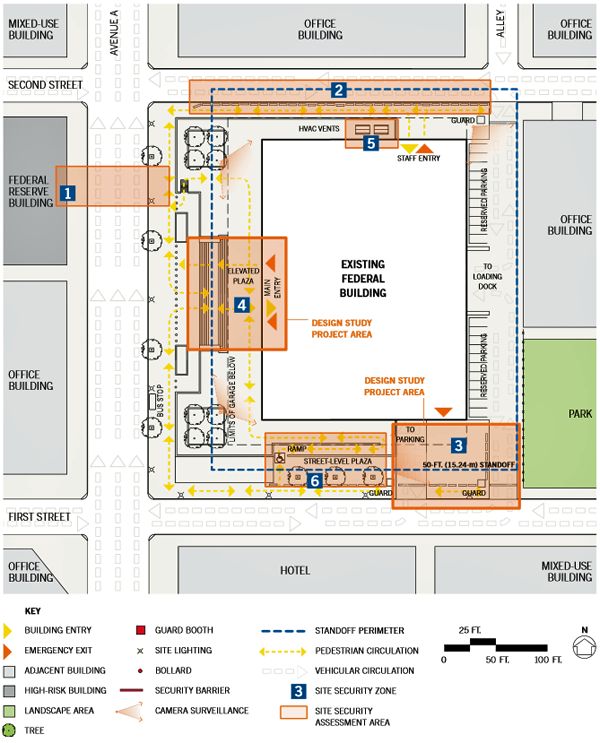
- Environment and facility layout including perimeter, access points, public areas, restricted zones, and critical assets.
- Movement of people, vehicles, and assets so the system supports real operational flow rather than disrupts it.
- Operational workflows such as shift patterns, visitor handling, delivery processes, and incident response expectations.
- Existing risks and vulnerabilities including exposure points, weak controls, and likely threat scenarios.
- Compliance and safety requirements where policy, governance, or sector obligations must be considered.
- Budget alignment to ensure the recommended architecture is realistic, right-sized, and scalable.
How a professional survey translates into better system design
A survey is not a checklist. It is a design input process. It informs where surveillance coverage should be prioritized, which access points require stronger control, where intrusion detection is necessary, and how command visibility should be structured.
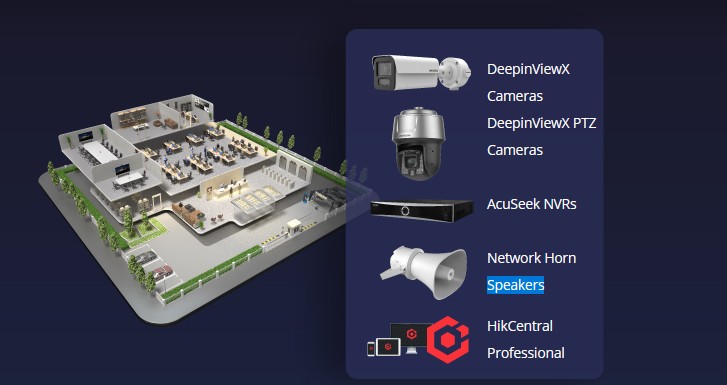
It also helps determine whether systems should remain independent or operate as an integrated environment where cameras, recorders, analytics, access control, and centralized monitoring work together as a unified platform.
What goes wrong when organizations skip the survey stage
- Blind spots remain even after installation.
- Budgets are consumed by technology that does not address the highest risks.
- Existing functional systems are replaced unnecessarily instead of integrated intelligently.
- Operations become harder because security controls were not designed around real workflows.
- Decision-makers get fragmented visibility instead of coordinated oversight.
In these situations, the organization may feel protected while still carrying serious exposure. That is one of the costliest outcomes in physical security: a false sense of assurance.
Our advisory-led approach
At Quest Technologies Ltd, our role is not simply to sell hardware. We advise, clarify, design, implement, and integrate solutions that are proportionate to risk. This is the difference between transactional installation and professional security engineering.
Our approach starts with understanding, moves through structured assessment and system design, and ends with implementation that supports real operational needs. Where appropriate, we also help clients align physical security controls with wider command center visibility, site oversight, and integrated operational response.
Solutions that may follow after the survey
Depending on the findings, a professional survey may lead to recommendations such as:
- Intelligent CCTV and video surveillance systems
- Access control, visitor management, and controlled entry solutions
- Vehicle barriers, bollards, and perimeter control measures
- Alarm and intrusion detection systems
- Body and luggage screening systems for higher-risk environments
- Centralized monitoring and command center integration
The point is not to force all technologies into every site. The point is to determine which controls are justified, how they should work together, and how they can be implemented with clarity and purpose.
Who should consider a professional physical security survey?
This approach is especially valuable for corporate offices, commercial buildings, warehouses, industrial sites, healthcare facilities, schools, hospitality environments, residential developments, government sites, and organizations preparing for expansion, upgrade, or system integration.
Final insight
The right security solution does not start with cameras or devices. It starts with understanding risk, environment, movement, operations, and what the organization is truly trying to protect. That is why a pre-installation survey is not an optional extra. It is the foundation of sound security decision-making.
For organizations that want a more structured, advisory-led starting point, a professional survey provides clarity before capital is committed and before implementation decisions lock the business into the wrong path.